Sample Handling
Why Proper Sample Handling is Critical for Genetic Results
For DNA testing (LDHA, DRD4, CRY1, etc.) to be accurate, the quality of the sample is paramount. Contaminated or poorly preserved samples can lead to false results, wasting time and money. Follow these laboratory-approved guidelines to ensure your results accurately reflect your pigeon’s genetic potential.
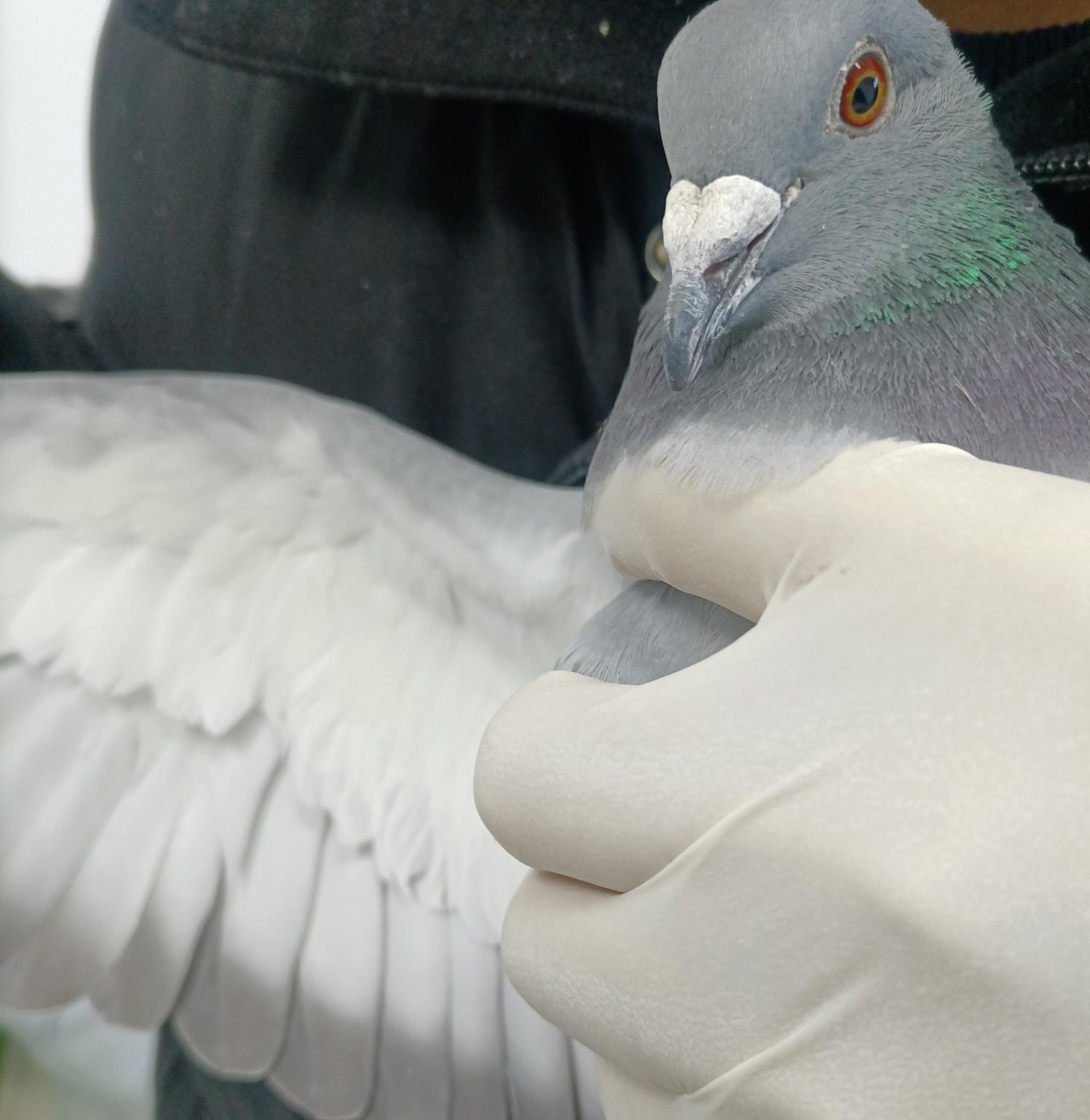
Step-by-Step Guide to Contamination-Free Feather Collection
The most critical stage is preventing DNA cross-contamination, which occurs when DNA from one bird is transferred to another.
1. Preparation and Hygiene (The Golden Rule)
- Protective Gear: Always wear new, clean disposable latex or nitrile gloves before handling any materials or birds.
- Disinfection Protocol: Before and after handling each individual bird, spray both hands (while wearing gloves) thoroughly with 75% disinfectant alcohol. Allow the alcohol to completely dry before proceeding to the next bird.
2. Labeling and Organization
- Immediate Labeling: Use a permanent marker to label a clean, unused self-sealing bag before sample collection. Include all necessary pigeon information (e.g., owner’s name, leg band number, and breed).
- One Bag Per Bird: Crucially, use a separate, sealed bag for every single pigeon to prevent any inter-sample transfer of DNA.
3. Optimal Feather Collection
- Avoid Contamination at the Root: When plucking feathers, NEVER touch the calamus (the bulb/root) of the feather where the DNA is concentrated. If you accidentally touch the root, wash your hands immediately with alcohol and allow them to dry before continuing.
- Feather Selection: Select slightly thicker feathers from the chest, abdomen, or tail area (excluding large tail feathers).
- Quantity: Quickly pluck a small bunch (we recommend 5–6 feathers or more) to ensure sufficient DNA material for analysis.
- Avoid Suboptimal Samples: Do not collect naturally fallen feathers, molted feathers, small down feathers, or feathers with minimal visible shafts. These often lack viable DNA at the follicle.
4. Post-Collection Handling
- Secure Immediately: Place the collected feathers directly into the pre-labeled, self-sealing bag, ensuring the DNA-rich roots do not touch the outside of the bag or your workspace.
- Sanitization: Re-sanitize your hands (gloves) and all tools before moving on to the next pigeon.
H2: Best Practices for Sample Preservation and Shipment
DNA degrades over time, especially at high temperatures. Proper storage is vital to guarantee the sample’s integrity upon arrival at our laboratory.
| Storage Duration | Temperature Recommendation | Packaging Advice |
|---|---|---|
| Short-Term (Up to 7 Days) | Ambient temperature (room temperature) is acceptable for immediate shipping. | Place the individual sealed bags inside a sturdy cardboard box. |
| Long-Term (Over 7 Days) | Freeze the samples immediately at $-20^\circ\text{C}$ or colder. | Recommendation: For long-term storage, we highly recommend using freshly plucked feathers just before shipping to maximize DNA quality. |
Sending Your Samples: Final Steps
- Verification: Cross-match the sample number/label with your internal records (e.g., matching the bag label to the pigeon’s leg band number).
- Packaging: Place all individual sealed sample bags into a single plastic outer bag before packaging in a robust cardboard box.
- Shipping Details: Clearly write the sender’s name and our provided lab address on the outer box packaging.
- Confirmation: We will contact you upon receipt to verify the samples before commencing the 24–48 hour testing process.
Got Questions About Sample Collection?
Proper sample handling is the first step toward scientific breeding success. Contact our technical support team if you have any doubts before plucking.
Scientifically reviewed by Dr. Zhang Yiwen, PhD (Genetics)
Related Articles
Leave a Comment Cancel reply
Comment
Name Email Website
Save my name, email, and website in this browser for the next time I comment.