Types of Tests
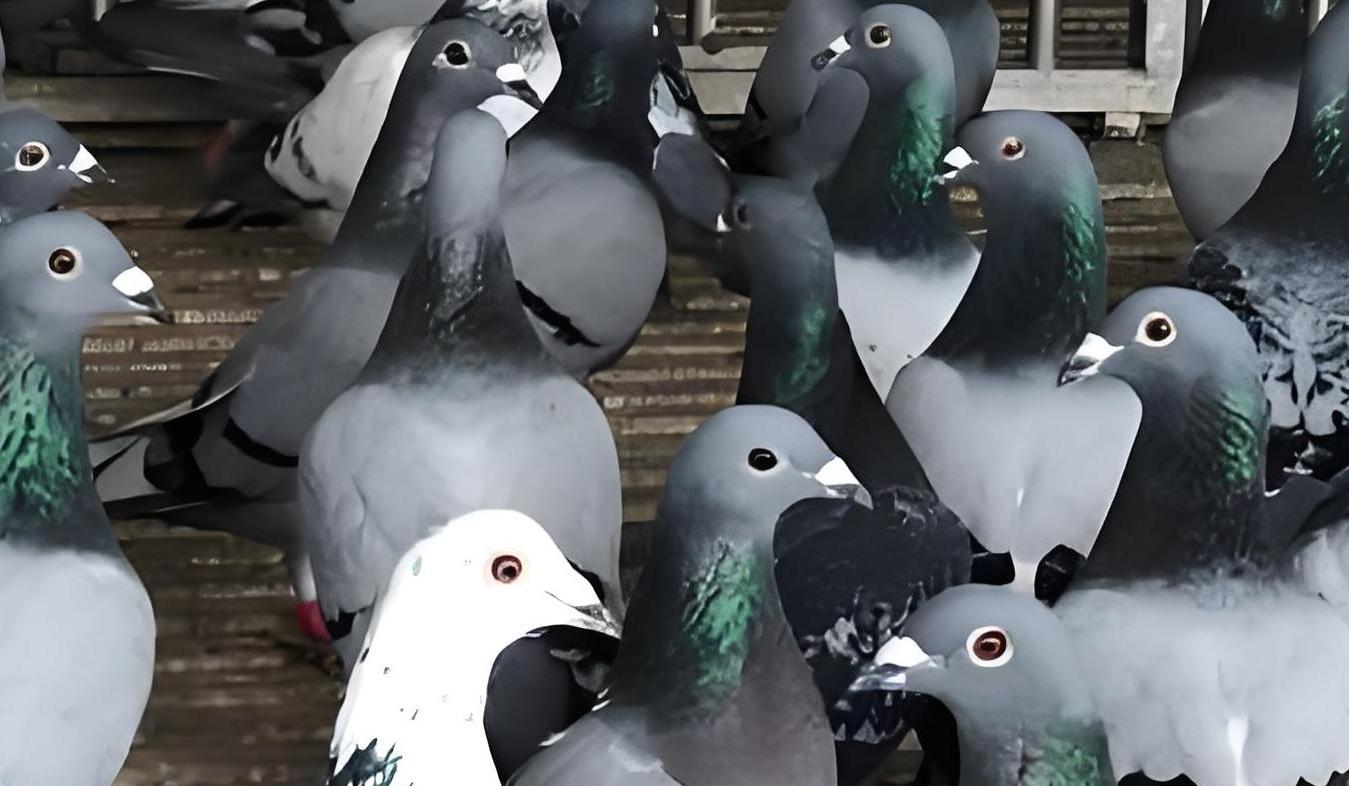
As pigeon breeding, racing, and health management become increasingly professionalized, DNA testing has become a valuable tool for breeders and pigeon enthusiasts. Many people hear the term “pigeon DNA test” but are unsure what actually happens behind the scenes or what a laboratory can truly analyze.
In practice, pigeon DNA testing is carried out in molecular diagnostic laboratories, using established genetic and molecular biology technologies. This article explains, in plain language, what a molecular testing lab is, what types of pigeon DNA tests are available, how the testing process works, and how reliable the results are.
What Is a Molecular Testing Laboratory?
A molecular testing laboratory is a specialized facility that analyzes biological samples at the DNA or RNA level. Instead of relying on physical traits or visual examination, these labs detect genetic information directly from cells.
Such laboratories are equipped with controlled work areas, contamination-prevention systems, and instruments designed for genetic analysis. Molecular diagnostics are widely used in veterinary medicine, disease surveillance, breeding management, and scientific research.
For pigeons, molecular testing allows laboratories to determine sex, detect viral infections, verify parentage, and analyze genes associated with athletic performance.
What Types of DNA Tests Can Be Performed for Pigeons?
1. Molecular Gender Determination
Purpose:
To accurately determine whether a pigeon is male or female, especially useful for young birds with no visible sexual characteristics.
Testing principle:
Birds have Z and W gender chromosomes. By detecting specific DNA fragments that differ between these chromosomes, laboratories can identify the pigeon’s gender.
Workflow and requirements:
-
Sample: feather with intact quill or dried blood spot
-
Equipment: DNA extraction system, PCR thermal cycler, electrophoresis or fragment analyzer
-
Reagents: DNA extraction kits, PCR reagents
-
Turnaround time: typically 1 working day
This method is widely accepted and considered extremely reliable when samples are properly collected.
2. Pigeon Viral Disease Testing
Purpose:
To detect common pigeon pathogens such as pigeon paramyxovirus (PPMV-1), avian influenza virus, or other viral agents that may affect health or racing performance.
Testing principle:
Most viral tests use real-time PCR (qPCR or RT-qPCR) to detect viral genetic material with high sensitivity.
Workflow and requirements:
-
Sample: cloacal swab, throat swab, or feces
-
Equipment: RNA extraction system, real-time PCR instrument
-
Reagents: viral RNA extraction kits, diagnostic PCR reagents
-
Turnaround time: 2–3 working days, longer if confirmation or sequencing is required
These tests are commonly used for health screening, outbreak investigation, and biosecurity management.
3. Racing Performance–Related Gene Testing
Purpose:
To analyze genetic markers associated with metabolism, muscle development, endurance, or circadian rhythm, supporting breeding and selection decisions.
Testing principle:
Laboratories examine specific genetic variants (SNPs) or panels of candidate genes. Some labs use targeted PCR-based assays, while others apply SNP arrays or sequencing-based analysis.
Important note:
Performance gene testing provides probabilistic insight, not guaranteed outcomes. Genetics is only one factor among training, environment, and management.
Workflow and requirements:
-
Sample: feather or blood
-
Equipment: PCR systems, SNP genotyping platforms, sequencing instruments
-
Turnaround time: from several days to a few weeks, depending on test complexity
4. Parentage and Kinship Testing
Purpose:
To confirm parent-offspring relationships, verify pedigree records, and prevent breeding errors.
Testing principle:
By comparing multiple genetic markers (microsatellites or SNPs) between offspring and alleged parents, laboratories can statistically confirm or exclude biological relationships.
Workflow and requirements:
-
Sample: feathers or blood from all birds involved
-
Equipment: PCR and genetic analysis systems
-
Turnaround time: typically 3–10 working days
When sufficient genetic markers are used, parentage testing offers very high confidence levels.
How Does the Testing Process Work for Customers?
-
Sample collection
Customers collect fresh feathers (with quill), blood cards, or swabs, depending on the test. -
Packaging and shipping
Each pigeon’s sample should be individually packaged and clearly labeled before being mailed to the laboratory. -
Laboratory analysis
Samples are registered, processed, tested, and quality-controlled under standardized laboratory procedures. -
Result reporting
Results are issued as electronic reports, often including interpretation notes and quality indicators.
The entire process can take anywhere from 24 hours to two weeks, depending on test type.
Key Precautions When Collecting Samples
-
Always avoid cross-contamination between birds
-
Use fresh feathers with intact roots
-
Store samples dry and separate
-
Ensure sufficient sample quantity
-
Clearly label each sample and matching information
Proper sampling is essential for accurate results.
Who Should Consider Pigeon DNA Testing?
-
Breeders: pedigree verification and breeding optimization
-
Racing pigeon professionals: genetic reference for selection and planning
-
Health-conscious owners: disease screening and prevention
-
Hobbyists and pet owners: sex identification and general knowledge
DNA testing is suitable for both professional and recreational pigeon keepers.
How Accurate Are Pigeon DNA Test Results?
-
Gender determination: accuracy is widely regarded as near 100% when performed correctly
-
Parentage testing: typically exceeds 99% confidence when sufficient markers are used
-
Viral PCR testing: highly sensitive and specific, though results depend on sampling quality and timing
-
Performance genetics: scientifically valid but should be interpreted as supportive information, not absolute prediction
Accredited molecular laboratories follow validated protocols to ensure reliability and traceability.
Final Thoughts
Pigeon DNA testing has become a powerful and accessible tool for modern pigeon management. Whether the goal is health monitoring, breeding accuracy, or performance insight, molecular diagnostic laboratories provide scientifically grounded solutions.
Choosing a qualified laboratory, collecting samples correctly, and interpreting results responsibly are the keys to gaining real value from DNA testing.
About the Author:
Dr. Zhang Yiwen is a specialist in Molecular Biology with 15 years of experience in genetics testing. The CEO of the SENO Biotech and the Chief Scientist.
Scientifically reviewed by Dr. Zhang Yiwen, PhD (Genetics)
Related Articles
Leave a Comment Cancel reply
Comment
Name Email Website
Save my name, email, and website in this browser for the next time I comment.